
Demystifying line items, labor, union rules, and hidden fees in production budgets
Whether you’re planning a 200-person leadership summit or a 2,000-person sales kickoff, AV can be one of the most hard to understand budget categories, yet it’s also one of the most critical for success. To help you plan smarter and advocate better, we’re breaking down the real costs behind the curtain.
Understanding the AV Quote: What Are You Really Paying For?
An AV quote is more than a list of gear, it’s a map of your show’s success. Here are some common categories and what they represent:

Equipment Rentals
Includes projection, LED walls, audio consoles, lighting fixtures, staging, and scenic elements. Daily rental rates often cover maintenance, prep, and inventory logistics.

Labor Charges
Crew costs are based on hourly or day rates. A standard day is 10 hours, with overtime beginning after that. Overtime is billed at 1.5 times the standard rate, and double time (after 12 hours) at twice the standard rate.

Show Management Fees
Covers producers, project managers, and technical directors who coordinate your event from pre-production through post-show.

Creative Services (if applicable)
Opening videos, animated stingers, event branding, and executive/speaker coaching. These are scoped and priced separately.
The Labor Layer: Why Your Crew Isn’t Just “Plug and Play”
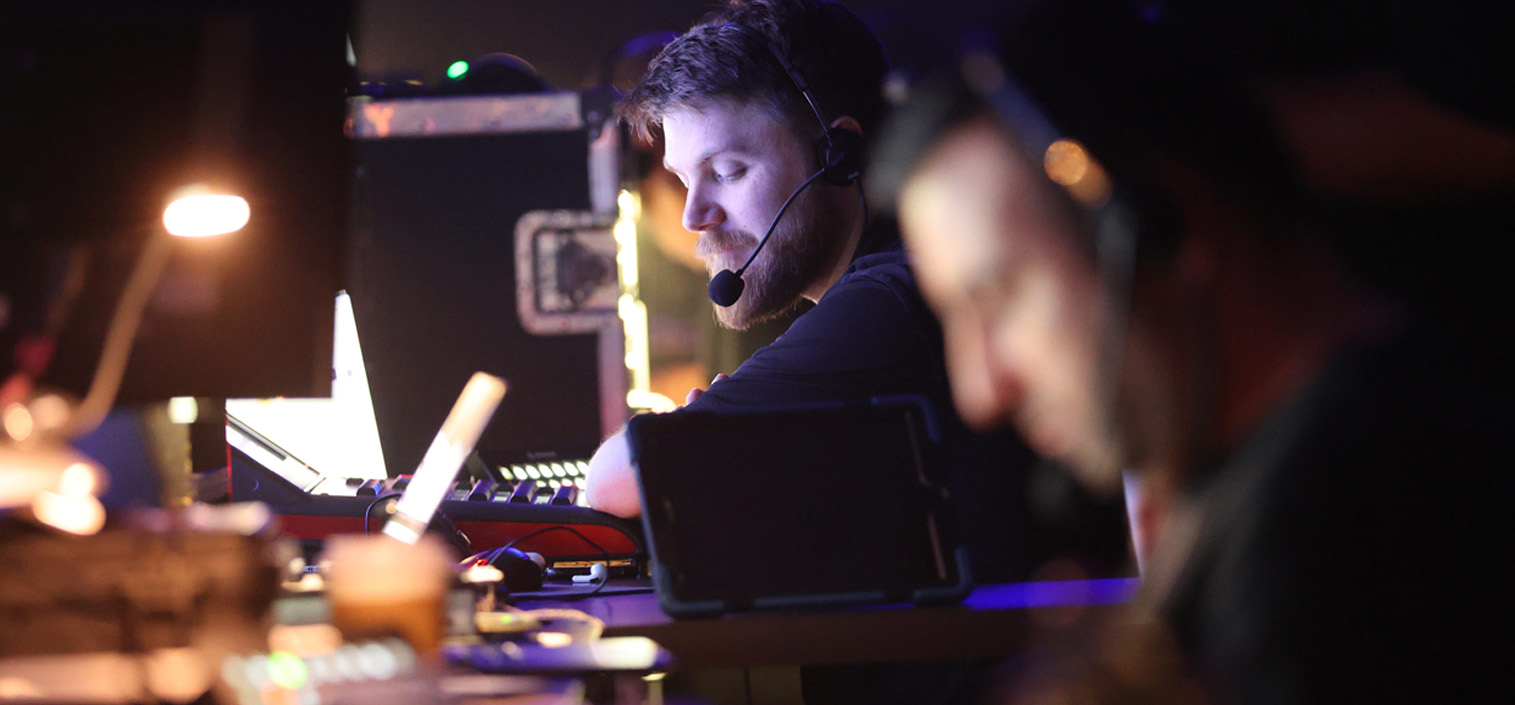
Labor is often the largest and most misunderstood part of your AV budget. It’s not just who runs the board, it’s who:
- Loads in and out gear (can take 8 to 16 hours or more depending on complexity)
- Operates lights, sound, and video live
- Troubleshoots power and internet
- Adjusts room layouts when things change onsite
AV teams are typically on-site before you arrive and still there long after attendees leave.
Union Venues and Local Labor Rules
Many major venues, especially in cities like New York, Chicago, and San Francisco, require union labor. This comes with mandatory call times, rest periods, and meal break policies. You may be charged for:
- Minimum 4 to 10 hour call blocks even if work is only 2 or 3 hours
- Meal penalties if breaks are missed
- Broadcast fees for camera or recording crews
These are not AV company fees, they are venue or union obligations that vendors must pass along.
Hidden (But Real) Costs to Watch
Some fees may not be included in the initial AV quote unless specifically scoped:
- Power drops and rigging from in-house AV (charged by the venue)
- Internet charges for streaming or demos
- Equipment damage waivers or insurance
- Last-minute room flips or tech adds onsite
Tip: Always review your hotel contract’s AV clause with your production partner before signing. It could save thousands.
How to Set Your Team Up for Budget Success
Too often, internal stakeholders only see the final AV total and balk without context. Help them understand:
- AV isn’t just gear, it’s execution.
- The same event held at two different venues can have wildly different AV costs based on union, rigging, and power rules.
- Budget early. Good AV companies help you value-engineer to avoid unnecessary spend.
Encourage your internal teams to think of AV like insurance. The cost of not investing properly could be brand damage, technical failures, or a flat, uninspiring experience.