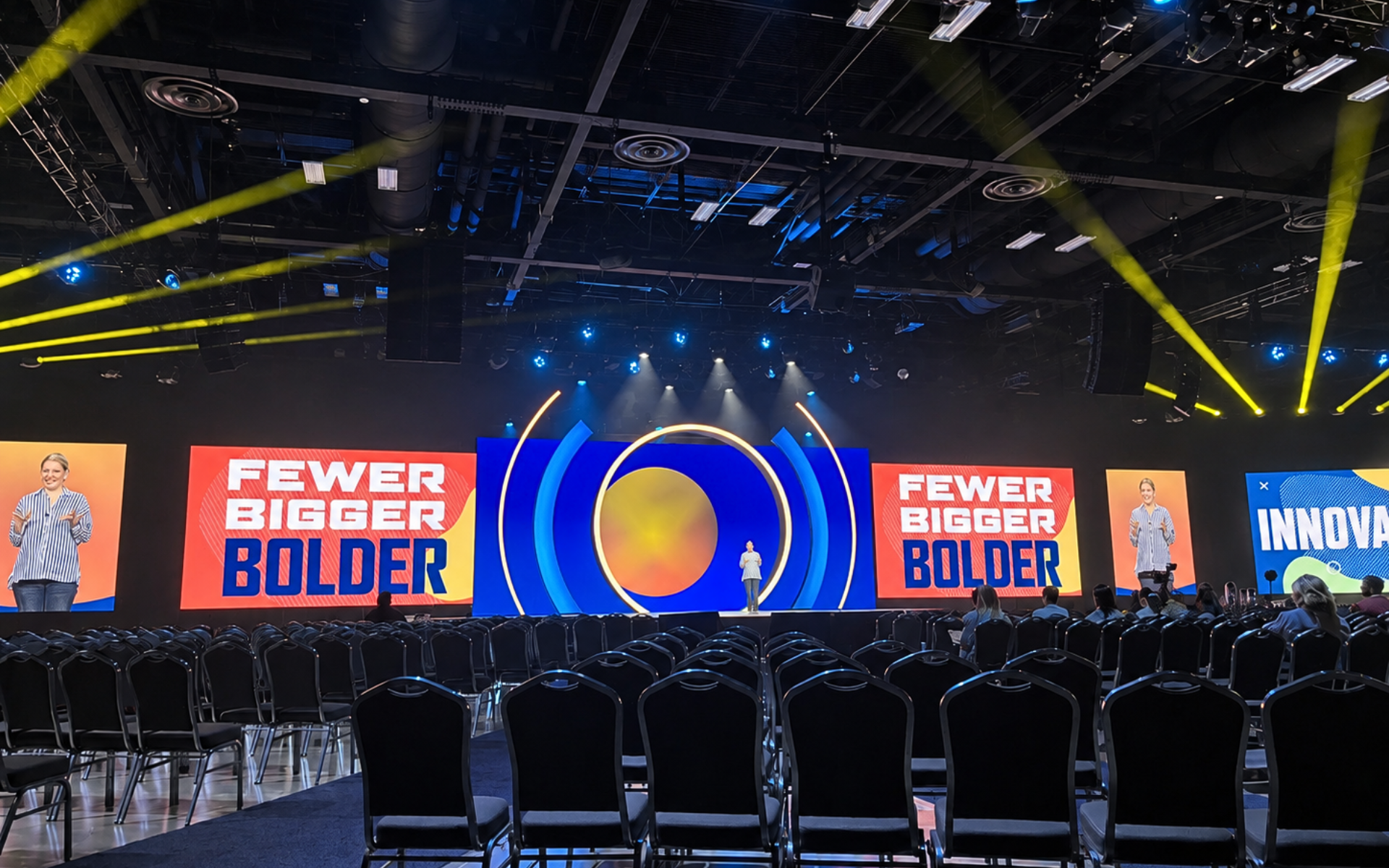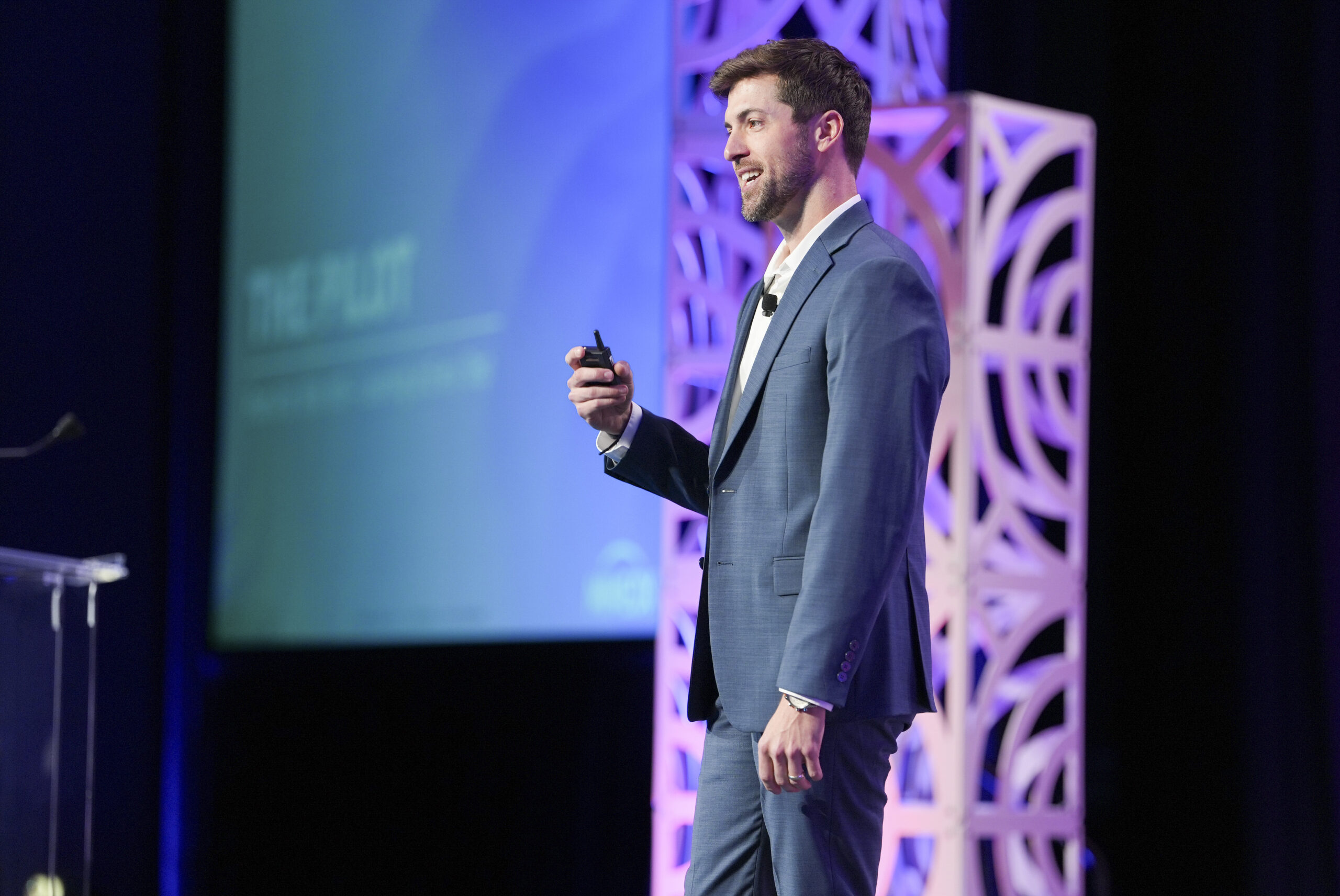
Recently, our team attended Cvent CONNECT, where Ajith Krishnankutty, Head of Experiential Marketing at Capital Group, shared an idea that resonated with us: the goal of an event is to create an experience that makes people feel something.
That perspective is a powerful reminder: successful events are not defined by format, but by the experience they create and the impact they leave. Once you know what people should think, feel, or do, the right format becomes much clearer.
In-person events, executive broadcasts, webinars, and hybrid experiences each have distinct strengths. The goal is not to combine every option; it is to choose the one that best supports the audience, message, and outcome.
Start With the Outcome, Not the Format
Start with one question: What do we want our audience to think, feel, or do when this experience is over? The answer should shape every decision that follows, including the format.
A major announcement to employees across the country may have more impact as a polished executive broadcast than as a one-hour meeting that requires travel. But when the goal is relationship building, collaboration, or culture, face-to-face interaction may be essential.
There isn’t one event format that’s right for every occasion. The best choice is the one that supports your objectives, connects with your audience, and delivers the experience you want to create.
Match the Experience to the Audience
Once the outcome is clear, ask which experience best fits the audience. Where people are, how they prefer to participate, and what the event asks them to do should all influence the format. Each option has a distinct strategic role.
In-Person Events
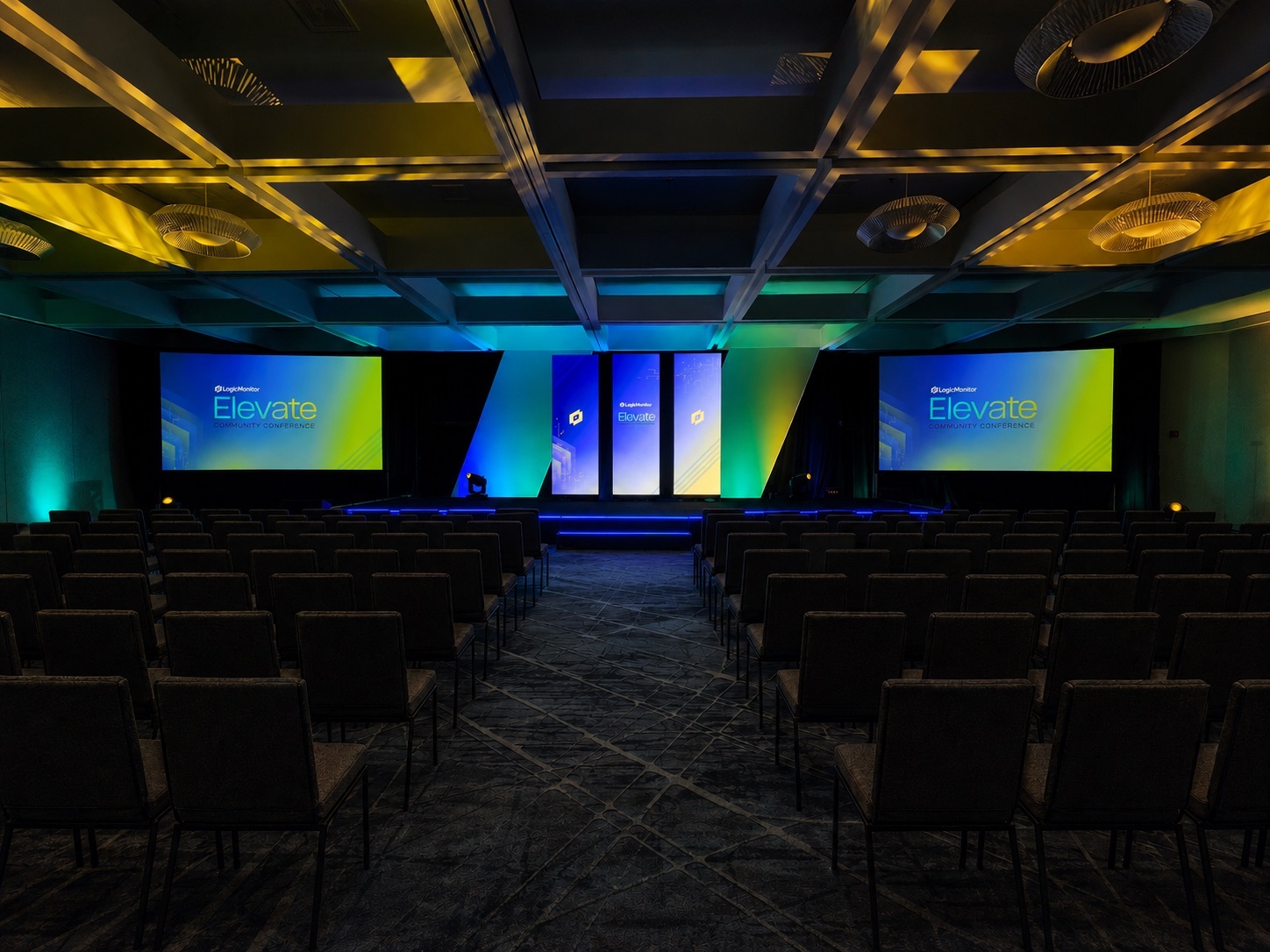
In-person events are strongest when the value is created between people, not only from the stage. They make room for the informal conversations, shared energy, physical demonstrations, and spontaneous moments that are difficult to reproduce online. They are especially effective for:
- Relationship building and networking
- Collaborative workshops and team development
- Hands-on product experiences or demonstrations
The strategic question is not simply whether people will attend. It is whether bringing them together will create a level of connection, trust, or action that justifies the investment.
Webinars and Virtual Events
Virtual programs are valuable when reach, access, and efficient knowledge sharing matter most. A focused webinar can often serve a distributed audience better than a larger event that happens to include a stream. Virtual formats are well suited for:
- Educational sessions and training programs
- Product updates and demonstrations
- Thought leadership and expert conversations
A virtual event is not a reduced in-person event. It needs pacing, visual rhythm, interaction, and support designed around how remote audiences watch and participate.
Executive Broadcasts
Some messages require the reach of a virtual program and the discipline of a studio production. Executive broadcasts provide a controlled environment for leadership communications, company announcements, town halls, investor or stakeholder updates, and other high-visibility messages.
In this format, production quality is part of the message. Clear audio, intentional camera direction, professional lighting, branded graphics, strong pacing, and prepared speakers help leaders appear credible and make complex information easier to absorb.
Hybrid Extensions
Hybrid is most effective when it is a deliberate extension of an in-person experience – not a default decision to stream everything. It can preserve the energy of the room while giving remote participants meaningful access to the content and people that matter most.
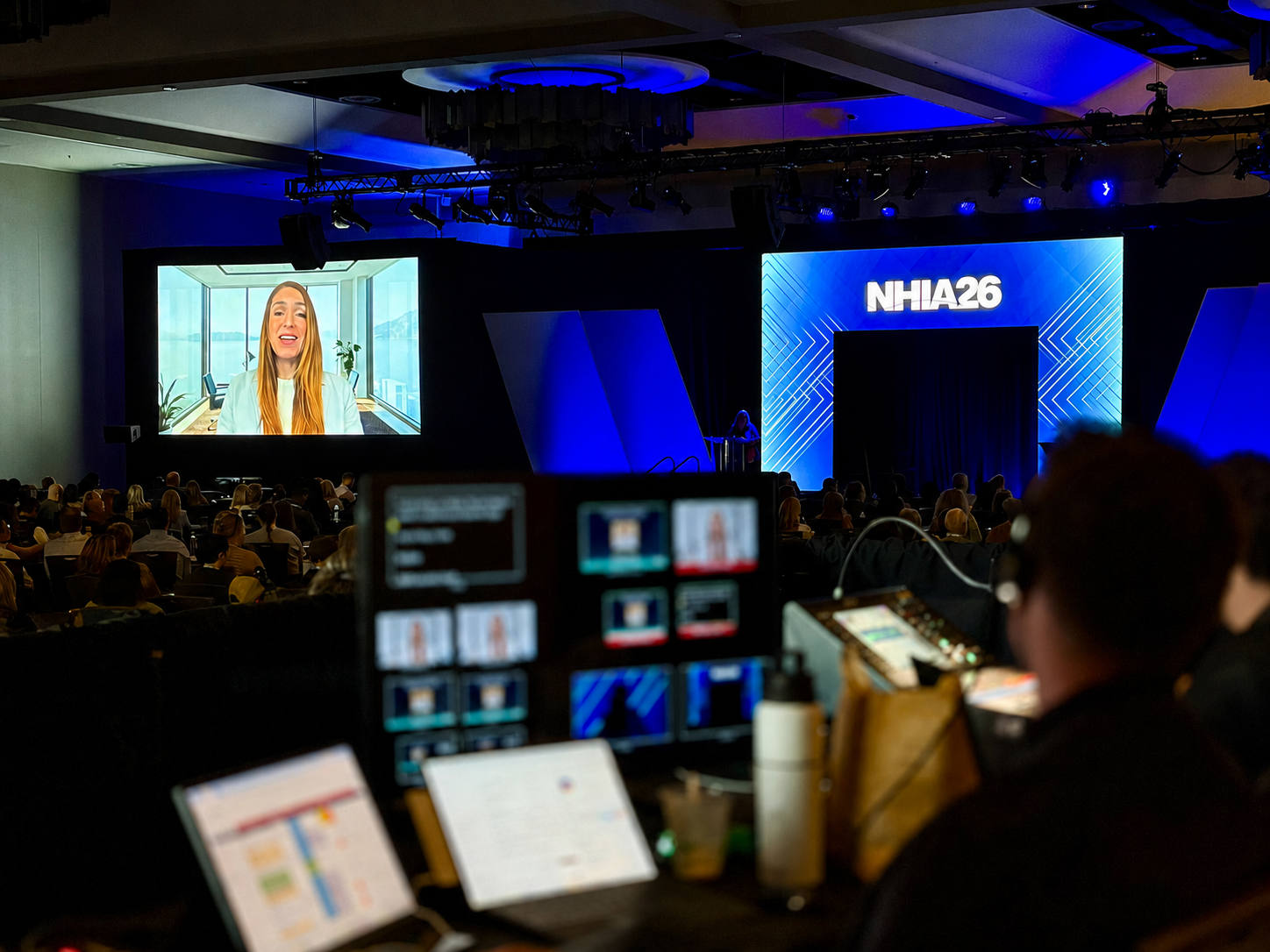
One of the most common mistakes is treating remote attendees as passive viewers. A camera pointed at the stage may document the event, but it does not automatically create an experience. Depending on the audience and objectives, a strong hybrid extension may require:
- A dedicated host or moderator
- A shorter or modified agenda
- Content created specifically for remote participants
- Live polling, moderated Q&A, or other participation opportunities
The in-person and remote journeys do not need to look identical. They do need to express the same strategy, deliver consistent value, and make each audience feel considered.
Design for Every Audience from the Beginning
Audience experience cannot be added at the end of the production process. People in the room benefit from shared energy, organic conversation, and immersive environments. Remote participants face different distractions, have fewer contextual cues, and often need a faster pace and more explicit invitations to engage.
That difference should shape the run of show. Shorter segments, dedicated hosts, live polling, moderated Q&A, and interviews between presentations can make the remote experience feel purposeful. In the room, networking time, physical movement, and environmental design may be just as important as the programmed content.
The goal is not parity for its own sake. It is equivalent value. When each audience can see that the experience was designed with its needs in mind, engagement becomes a natural result rather than something the production team has to manufacture.
Great Production Starts Long Before Event Day
Audiences see the final program, not the planning behind it. Yet the moments that feel effortless are usually the result of early creative alignment, clear decision-making, detailed technical preparation, and rehearsal. Production should enter the conversation while the experience is still being shaped—not after the agenda is locked.
Production and Content Must Work Together
Clear audio is nonnegotiable. High-quality video, intentional camera direction, professional lighting, and thoughtful scenic design direct attention and reinforce credibility. Content must also fit the medium: a stage presentation is not automatically a broadcast segment, and a recording is not automatically compelling on demand. The best production choices remove friction between the audience and the message.
Rehearse the Whole Experience
Rehearsal should test more than the script. Presenters need to practice the format, while the team tests camera positions, playback, remote connections, transitions, participant workflows, and the run of show. Registration, login instructions, accessibility, support, and post-event access should also feel like one coherent attendee journey.
Make Contingency Planning Invisible
Internet interruptions, remote presenter issues, playback failures, platform problems, and last-minute speaker changes should have clear response paths. The best backup plans are tested in rehearsal and nearly invisible in execution, keeping attention on the experience instead of the technology.
Extend the Value Beyond the Live Moment
The event itself is increasingly one moment in a longer content strategy. Keynotes can become on-demand resources. Executive interviews can support internal communications. Product demonstrations can equip sales teams. Short clips can continue the conversation across social channels and marketing campaigns.
That value must be planned before event day: which moments to capture, how footage will be framed, what graphics are needed, and where the content will live. With foresight, a one-day program can produce useful material for months.
Viewing duration, Q&A activity, poll responses, and on-demand consumption can reveal what resonated. Attendance tells you who arrived; engagement data helps explain what mattered.
A successful event is not measured solely by the number of people who showed up. It is measured by what the experience changed and how long that impact continued.
Questions to Ask Before Choosing an Event Format
No single format is right for every organization, message, or audience. Before committing to a venue, platform, or production plan, ask:
- What should the audience think, feel, or do after the event?
- Would a dedicated webinar or broadcast create more value than a hybrid extension?
- If there is a remote audience, how will participants engage rather than simply watch?
- What should remain available afterward, and which signals will define success?
- What level of production quality and investment does a valuable experience require?
These answers clarify the format and help teams invest in what the audience will value most.
Choose a Production Partner Who Starts with Strategy
The best production partners do not begin by recommending equipment. They ask about the audience, business objective, message, and intended experience. Once those answers are clear, the right technology is easier to identify. A strong partner connects creative development, staging, broadcast, streaming, speaker preparation, platform coordination, and post-production around one outcome and protects the audience experience from planning through delivery.
Use Each Format Intentionally
The best events are not remembered because they were in person, virtual, or hybrid. They are remembered because people left informed, inspired, connected, or ready to act. Technology makes those experiences possible. Strategy is what makes them meaningful.
The future of events is not about adding more formats. It is about making clearer choices: defining the outcome, understanding the audience, and designing the experience each group needs. When format follows purpose, production becomes more focused, budgets work harder, and the message travels further.
Planning an in-person, virtual, broadcast, or hybrid event? Bright AV can help you choose the right format and build a production experience around your audience and goals. Let’s create an experience that connects.