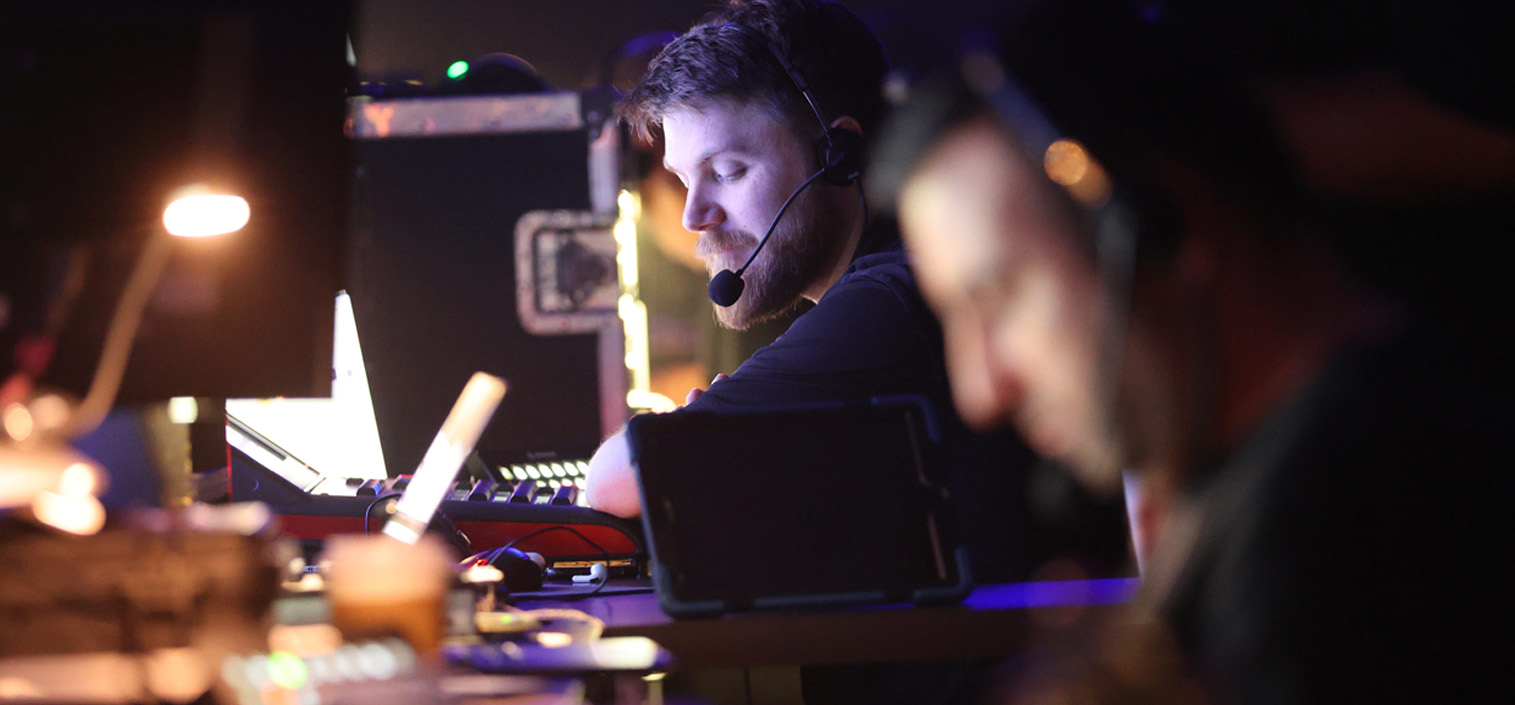
Great live events don’t just happen. They start with a clear narrative and a strong sense of purpose. Today’s audiences expect engaging, intentional, and memorable experiences, not just a presentation. By integrating storytelling, the event transforms from one-way communication into immersive moments that connect people to a brand in a meaningful way. The right event production team shapes how those stories are experienced from start to finish.
What is Brand Storytelling in Event Marketing?
Brand storytelling goes beyond messaging. It shapes how audiences experience a brand in real time. Instead of presenting information in a simple presentation, brands can guide audiences through a cohesive, story-driven experience where every element, from content to environment, reinforces that narrative.
This approach shifts the focus from what is being said to how it is being experienced at the event. It creates a more intentional connection with the audience that helps key messages land with greater impact. When executed effectively, the result is more than an event; it is a connected experience that leaves a lasting impression and strengthens how audiences understand and remember the brand.
Aligning Strategy, Creative, And Execution
Effective storytelling starts with alignment across all teams from strategy, creative, and execution. This begins with a clear understanding of brand messaging, audience personas and expectations, and desired event outcomes. These inputs inform every production decision, from stage design to content flow to lighting, visuals, and audience engagement moments. Aligning these elements from the start results in a cohesive story that carries through the entire experience.
Integrated Brand Storytelling: Connecting Every Touchpoint
Strong events do not exist in isolation. They are part of a larger brand ecosystem where every interaction contributes to the overall experience. Integrated brand storytelling connects pre-event communications, on-site environments, and post-event engagement into one continuous narrative. Each touchpoint reinforces the same story, creating consistency and a deeper connection with the audience. This is where interdisciplinary integrated branding plays a critical role, bringing together creative, technical, and strategic elements into a unified experience.
The Technology Behind Story-Driven Experiences
Technology plays a critical supportive role in how stories are delivered and experienced. Tools such as LED environments, projection, and immersive audio enhance narrative impact and help bring ideas and brands to life.
When aligned with the overall narrative, technology strengthens the overall experience by adding depth, scale, and energy to the story being told. It supports key moments and helps guide the audience through the experience in a more engaging way.
The most effective events use technology to support the story, ensuring it enhances the experience rather than distracting from it.
Measuring the Impact of Storytelling
Success is not measured solely by attendance. Success is also measured by how audiences engage with the content and retain key messages from the event. This extends the experience beyond the event itself. To measure the impact on storytelling events, analyzing metrics such as participation, brand recall, and post-event content engagement provides insight into overall event effectiveness. Having a well-executed narrative strengthens both immediate impact and long-term brand perception.
Case Study: Bringing Storytelling to Life with PepsiCo
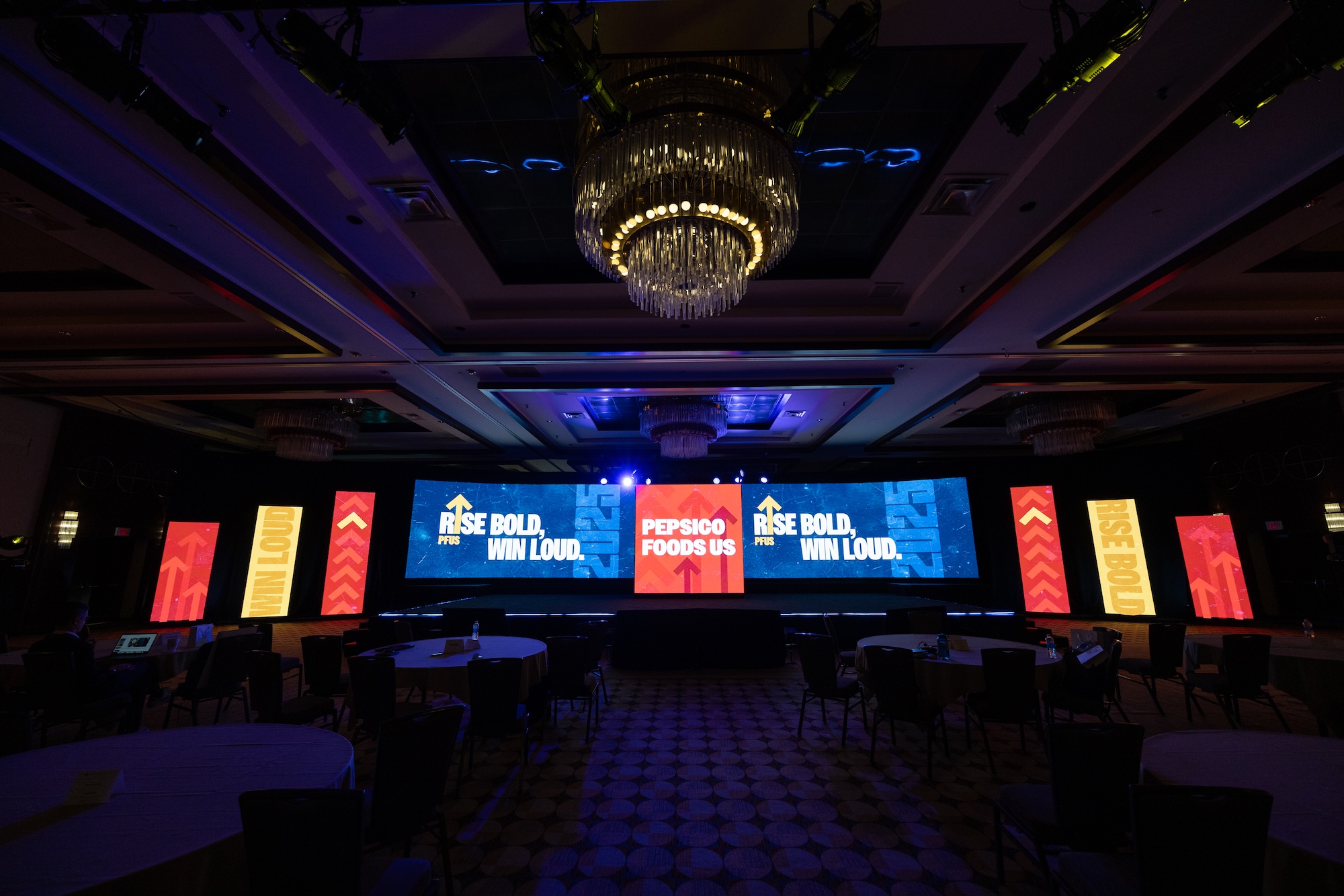
PepsiCo partnered with our Bright AV team to create their Senior Management Meeting, which is a key event designed to align leadership, communicate strategy, and build momentum for the year ahead. The objective was to transform the meeting into a more engaging and impactful experience while still delivering critical business updates.
To achieve this, our Bright AV event production team built an experience around a clear narrative that connected the content and environment. Our team worked alongside the PepsiCo team to align all teams to support a cohesive, story-driven experience from beginning to end.
The event was brought to life through a dynamic 9-screen LED stage design, branded content, and motion that reinforced key messaging, and polished speaker presentations supported by scripting and rehearsal. Interstitial video content helped maintain pacing and engagement, while AI-driven headshots added a layer of personalization.
The result? The event was an engaging experience that delivered both clarity and impact to PepsiCo Senior Management teams. More than 400 leaders participated across general sessions and breakouts, supported by eight custom video assets and fourteen breakout sessions.
The event also expanded trust and visibility with internal stakeholders, which strengthened overall brand cohesion, demonstrating how integrated brand storytelling can elevate content-heavy events into meaningful and memorable experiences.
Best Practices for Story-Driven Event Production & Lasting Impact
The most effective storytelling events start with a clear narrative and a strong sense of purpose, but their impact comes from how well every element works together. When strategy, creative, and production are all aligned, events become more than moments. They become a cohesive experience that drives connection and lasting impacts.
Bright AV partners with brands to bring these experiences to life, combining storytelling, technology, and execution to create events that resonate long after they end. Connect with our team today to start planning your next event.